What Is Sustainable Vaping? Eco-Friendly Choices Explained

What Is Sustainable Vaping? Eco-Friendly Choices Explained
Vaping is widely seen as a cleaner alternative to smoking, but the environmental picture is more complicated than most people realize. E-waste from disposables in Connecticut alone reaches 1,450 metric tonnes every year from just 12.8 million disposable units. That number reflects a global pattern. Single-use devices are piling up in landfills, leaching chemicals, and creating fire hazards in waste facilities. This guide defines sustainable vaping, breaks down the real environmental costs of disposables, and walks you through practical, responsible choices that reduce your footprint without sacrificing your experience.
Table of Contents
- Defining sustainable vaping: What does it really mean?
- The environmental cost of disposable vapes
- Sustainable alternatives: Refillable vapes, pods, and responsible practices
- How to make your vaping habit more sustainable
- A fresh perspective: What true sustainability in vaping really demands
- Explore eco-friendly vaping options with Cloud District
- Frequently asked questions
Key Takeaways
| Point | Details |
|---|---|
| Refillables reduce waste | Switching from disposables to refillable systems can cut your vaping-related trash significantly. |
| Disposables pose hazards | Single-use vapes contribute to landfill waste and battery fires if not disposed of carefully. |
| Battery safety matters | Properly managing vape batteries lowers fire risks and environmental pollution. |
| Responsible retailers help | Look for shops that offer take-back programs or special recycling options for used vapes. |
Defining sustainable vaping: What does it really mean?
With the environmental stakes set, let’s define what sets sustainable vaping apart from conventional practice.
Sustainable vaping is not a single product or a marketing label. It is a set of practices and product choices that minimize environmental harm across the entire lifecycle of a vaping device. That lifecycle starts with raw material sourcing, runs through manufacturing and packaging, and ends with how the device is disposed of or recycled after use.
The sustainable vaping overview covers several interconnected factors. Device reusability is the most significant. A refillable device used for one year replaces dozens of disposables, cutting both material waste and manufacturing emissions. Recyclability matters too. Some devices are built with separable components that can be processed through standard e-waste channels, while others fuse batteries, coils, and plastic into a single block that cannot be broken down.
Material sourcing is another factor that rarely gets discussed. Devices made with recycled plastics or sustainably sourced metals carry a smaller upstream footprint. End-of-life disposal is where most consumers fall short. Even a refillable device becomes an environmental problem if it ends up in a general trash bin.
The scale of the problem with single-use devices is significant. In Scotland, single-use vapes generate between 800 and 1,000 tonnes of physical waste and between 3,375 and 4,292 tonnes of CO2 equivalent annually from 21 to 26 million units. That is a substantial carbon and waste burden from one relatively small country.
A vaping practice is only sustainable when it accounts for the full product lifecycle, not just the absence of combustion.
Here is what makes a vaping product or practice genuinely sustainable:
- Device reusability: The device can be refilled, recharged, and used repeatedly over months or years.
- Recyclability: Components, especially batteries, can be separated and processed through certified e-waste programs.
- Material efficiency: Less plastic, fewer rare metals, and reduced packaging per session.
- Responsible disposal: The user actively returns devices to take-back programs or certified recyclers.
- Transparent supply chain: The brand discloses sourcing and manufacturing practices.
No device checks every box perfectly. Sustainable vaping is about moving toward better choices, not waiting for a perfect product.
The environmental cost of disposable vapes
Now that you understand what sustainable vaping means, let’s examine the impact of its opposite: disposable vapes.
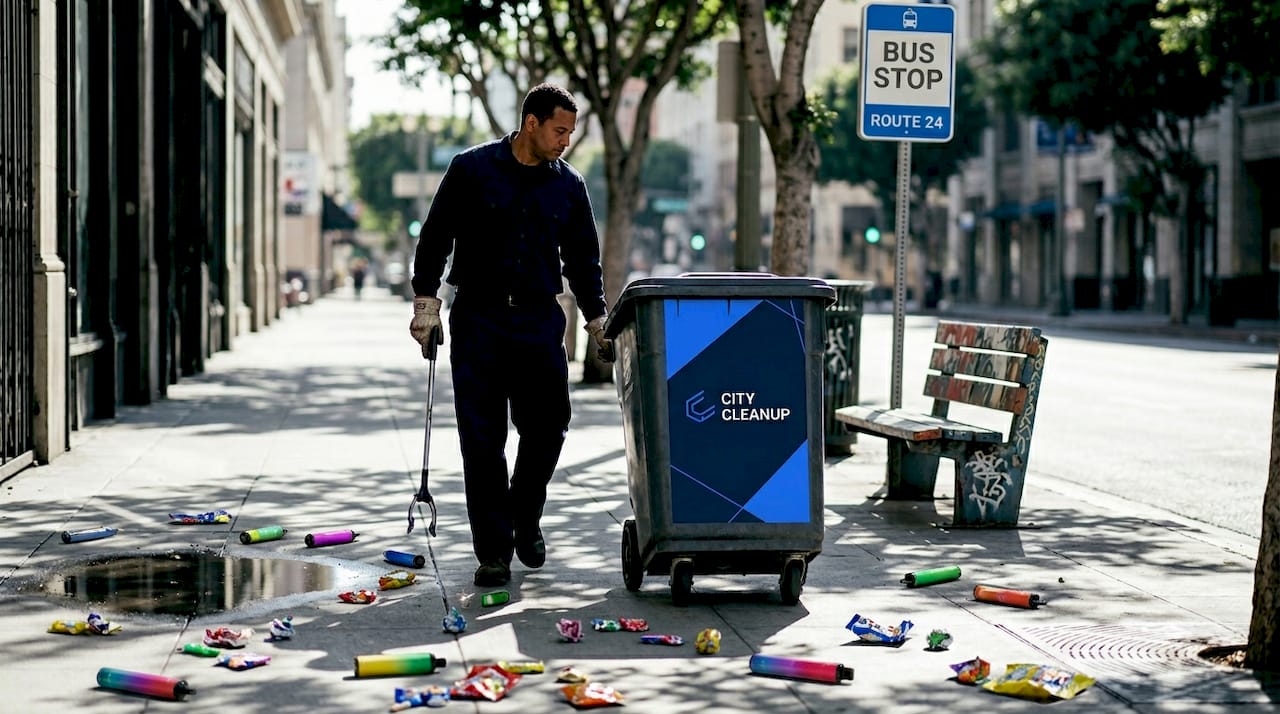
Disposable vapes are convenient. They require no setup, no refilling, and no charging. But that convenience comes at a measurable environmental cost that most users never see. The device you toss after a few days contains a lithium battery, a heating coil, plastic casing, and residual nicotine liquid. None of those components belong in a standard trash bin.
Here is how the waste and emissions data compares across two documented regions:
| Region | Units per year | Physical waste | CO2 equivalent |
|---|---|---|---|
| Scotland | 21 to 26 million | 800 to 1,000 tonnes | 3,375 to 4,292 tonnes |
| Connecticut, USA | 12.8 million | 1,450 metric tonnes | Not published |
The Connecticut figure is striking. E-waste from disposables in that single state reaches 1,450 metric tonnes annually. That is more physical waste per unit than the Scotland data suggests, likely reflecting differences in device size and battery capacity in the US market.
The battery fire problem is real and underreported. When disposable vapes are thrown in general waste, their lithium batteries can be crushed by compactor trucks. That pressure triggers thermal runaway, a chain reaction that causes fires in garbage trucks and at waste processing facilities. Over 25% of recovered disposable batteries retain a charge above 2.5 volts, which is enough to ignite under mechanical stress. This is not a theoretical risk. Waste facility fires linked to lithium batteries are documented across the US and UK.
Here is the pollution chain from purchase to disposal:
- Manufacturing: Extraction of lithium, cobalt, and copper generates mining waste and emissions before the device reaches a shelf.
- Packaging: Most disposables ship in single-use plastic and cardboard packaging that adds to the waste stream immediately.
- Use phase: Each session consumes energy from a non-replaceable battery that degrades with every charge cycle.
- Disposal: The user discards the device in general trash, bypassing all recycling infrastructure.
- Landfill or incineration: Chemicals from the battery and residual nicotine liquid leach into soil or release toxic compounds when burned.
If you are looking to reduce that chain, switching to longer-lasting devices is a direct first step. Products like TRX 50K alternatives and disposable alternatives offer higher puff counts per device, which at minimum reduces how frequently you are cycling through hardware.
Sustainable alternatives: Refillable vapes, pods, and responsible practices
With the environmental challenges of disposables clear, what are the most viable eco-friendly options?
Refillable devices are the most impactful switch you can make. A single refillable pod system used consistently for six months can replace 30 to 60 disposable devices depending on usage habits. The math on waste reduction is straightforward. Less hardware in the trash means less battery material in landfills.
Here is a direct comparison of the three main device categories:
| Factor | Disposables | Refillable vapes | Pod systems |
|---|---|---|---|
| Waste per month | High (multiple units) | Low (one device) | Medium (pods only) |
| Upfront cost | Low | Medium to high | Medium |
| Ongoing cost | High | Low | Medium |
| Recyclability | Poor | Moderate | Moderate |
| Ease of use | Very easy | Moderate | Easy |
| Environmental score | Poor | Best | Good |
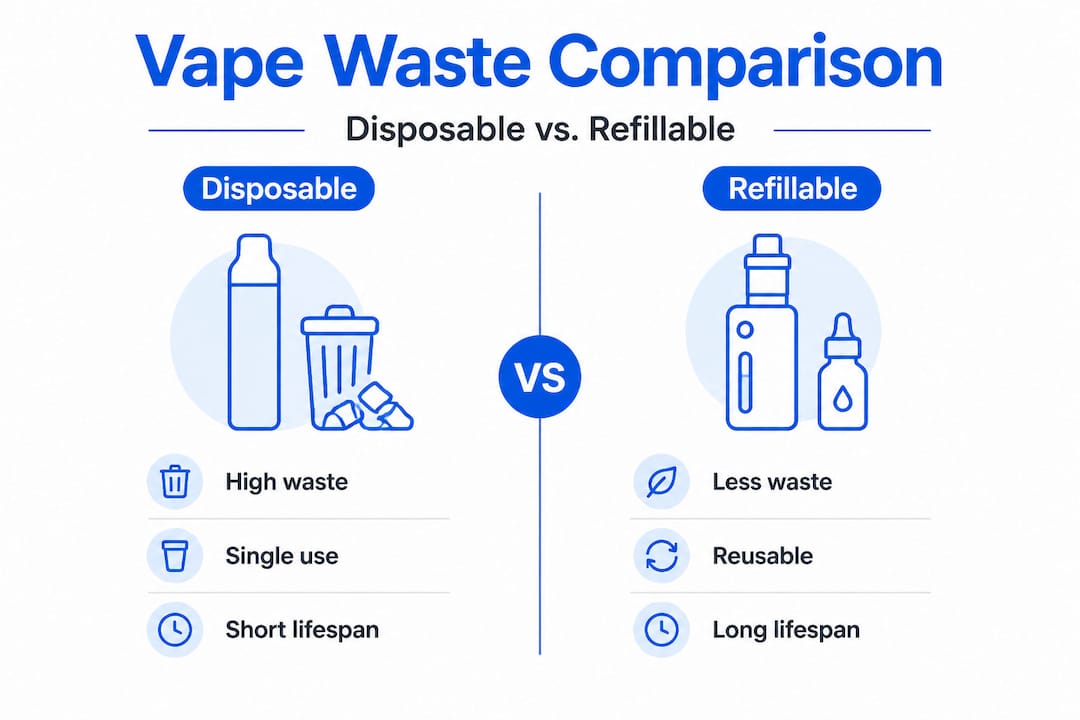
The picture is not entirely clean for refillables, though. Recycling infrastructure challenges persist even for refillable devices. Battery fires remain a risk at end of life, and consumer compliance with proper recycling is low across all device types. When governments ban disposables, as several countries have moved to do, pod systems often fill the gap rather than true refillables. Pods reduce waste compared to full disposables but still generate more hardware turnover than a single long-lived refillable device.
Options like the Geek Bar Ria Dualicious and Geek Bar Pulse Strawberry Savers represent the current market reality: devices that offer more puffs per unit, reducing turnover frequency even within the disposable category.
Pro Tip: To maximize the lifespan of any rechargeable device, avoid draining the battery completely before recharging. Lithium batteries degrade faster when cycled from zero to full repeatedly. Keeping charge between 20% and 80% extends battery life significantly, which means fewer replacements and less waste over time.
Here are the best sustainable practices for consumers right now:
- Choose refillable or rechargeable devices over single-use ones whenever possible.
- Buy e-liquid in larger bottles rather than pre-filled pods to reduce packaging waste.
- Store devices properly to prevent battery damage and extend lifespan.
- Return used devices to retailer take-back programs rather than general trash.
- Research brands that publish environmental commitments and recycling partnerships.
How to make your vaping habit more sustainable
Knowing the options, here is how to put sustainable vaping into daily practice.
Sustainable habits are built through consistent small decisions, not one-time purchases. Switching to a refillable device is the single highest-impact change, but what you do after that matters just as much.
Follow these steps to reduce your vaping footprint:
- Choose reusable hardware. Select a device designed for long-term use. Look for replaceable coils, refillable tanks, and a durable body. The RAZ VUE 50K Kit is one example of a high-capacity device that reduces how often you need to replace hardware.
- Recycle properly. Do not put vaping devices in standard recycling bins. Lithium batteries require certified e-waste handling. Search for local battery drop-off points through Call2Recycle or your municipal waste authority.
- Handle batteries safely. Never puncture, crush, or expose batteries to extreme heat. A swollen or damaged battery should be taken to a hazardous waste facility, not a trash bin.
- Participate in take-back programs. Some retailers and manufacturers offer mail-back or in-store return programs for used devices. Ask your retailer directly.
- Buy from responsible retailers. Retailers who provide recycling information, stock longer-lasting devices, and are transparent about product specs are supporting better consumer habits.
Pro Tip: Before recycling a battery-containing device, check if it still holds a charge. Batteries retaining charge above 2.5V pose a fire risk in standard e-waste bins. Tape over the charging port and contacts before dropping it off to prevent accidental discharge during transport and processing.
Community recycling initiatives worth knowing about include:
- Call2Recycle: A US-based battery recycling network with thousands of drop-off locations.
- TerraCycle: Accepts vaping hardware through specialty waste programs in some regions.
- Retailer take-back: Some vape shops accept used devices for proper disposal. Cloud District encourages customers to ask about local options.
- Municipal hazardous waste days: Many cities hold periodic collection events for electronics and batteries.
These programs are not perfect. Participation rates remain low, and infrastructure varies by location. But using them is far better than the alternative.
A fresh perspective: What true sustainability in vaping really demands
You have learned the recommended steps. Now let’s look critically at the bigger picture of vaping sustainability, because the standard advice only goes so far.
Here is the uncomfortable truth: most “green” vaping claims are exaggerated. A refillable device is genuinely better than a disposable, but it is not a sustainable product in any rigorous sense. It still contains lithium, still requires energy to manufacture, and still ends up in a landfill when the battery degrades beyond use. Calling it “eco-friendly” without qualification is misleading.
The recycling infrastructure problem is more serious than most consumers realize. Even when users do the right thing and bring devices to a drop-off point, the downstream processing is inconsistent. Lithium batteries from vaping devices are small, varied in chemistry, and often arrive mixed with other electronics. Many facilities are not equipped to handle them efficiently. Low consumer compliance compounds the problem. Studies consistently show that most people, even those who care about the environment, default to convenience at the point of disposal.
Bans on disposables are a step forward, but they are not a solution. When disposables are banned, pod systems grow in market share. Pods reduce waste per session but still generate hardware turnover at a rate that strains recycling systems. The underlying issue is that the vaping industry has not yet developed a device that is both convenient and genuinely recyclable at scale.
What does true sustainability actually require? It requires three things working together. First, improved recycling infrastructure that can handle small lithium batteries efficiently and safely. Second, genuine consumer accountability, meaning users who consistently return devices rather than trashing them. Third, innovation from manufacturers in battery design, material selection, and end-of-life planning.
Retailers have a role here too. Providing accurate information, stocking longer-lasting devices, and making recycling easy at the point of sale are concrete actions that move the industry forward. At Cloud District, the goal is to give you accurate product information and access to options that reduce your environmental impact, without overstating what any single product can achieve.
The honest position is this: sustainable vaping is a direction, not a destination. Every choice that reduces waste, extends device life, or keeps batteries out of landfills is a step in the right direction. But no one should claim they have solved the problem with a product purchase alone.
Explore eco-friendly vaping options with Cloud District
If you are ready to vape more sustainably, here are solutions designed for you.
Cloud District carries a range of devices built for longer use and fewer replacements. Whether you are looking to step up to a higher-capacity device or explore options that reduce how often you cycle through hardware, the catalog has practical starting points.

The Viho TRX Blueberry Watermelon and Geek Bar Pulse X Pink Blue Meteor Edition are examples of high-puff-count devices that reduce turnover frequency. Browsing the full Cloud District eco-friendly range lets you compare options side by side, earn Cloudz rewards on every purchase, and pick up locally for fast, convenient access. Making a smarter choice starts with knowing what is available.
Frequently asked questions
What is the most sustainable type of vape?
Refillable pod systems are generally the most sustainable option because they generate significantly less waste and can be reused over an extended period. That said, recycling challenges and battery safety issues mean no device is fully sustainable without proper end-of-life handling.
Why are disposable vapes bad for the environment?
Disposable vapes create hazardous e-waste containing lithium batteries, heavy metals, and residual chemicals that do not belong in standard landfills. Batteries retaining charge above 2.5V in improperly disposed devices pose a documented fire risk at waste processing facilities.
How much vape waste is produced each year?
In Connecticut alone, 1,450 metric tonnes of e-waste comes from disposable vapes annually, generated by approximately 12.8 million units. Global figures are substantially higher and growing as vaping adoption increases.
Are recycling programs for vapes effective?
Current recycling efforts face significant barriers including inconsistent infrastructure, battery safety concerns during processing, and low consumer participation rates. Compliance and infrastructure gaps limit overall effectiveness, though certified programs like Call2Recycle are more reliable than general e-waste bins.